Best Credit Cards for Self-Employed Individuals in 2026: High-Limit Business & Personal Options, 0% APR, Rewards & Easy Approval
Discover the best credit cards for self-employed individuals in 2026. Compare high-limit business cards, 0% APR offers, cashback and travel rewards, approval tips, tax strategies, and expert insights. Complete guide with comparison tables and FAQs.
Why Self-Employed Individuals Need the Right Credit Card
Being self-employed gives you freedom — but it also means your income may fluctuate. Traditional lenders often prefer salaried applicants, which makes choosing the right credit card critical for freelancers, consultants, contractors, online entrepreneurs, and small business owners.
The best credit cards for self-employed individuals do more than offer spending power. They:
- Improve cash flow during slow months
- Separate personal and business expenses
- Provide high rewards on business purchases
- Offer 0% APR for startup growth
- Build business credit history
- Deliver purchase protection and travel perks
If you are self-employed, your credit card should work as a financial tool — not just a payment method.
What Makes a Credit Card Ideal for Self-Employed Individuals?
Before choosing, understand what matters most:
1. Flexible Income Approval
Card issuers consider total household income. Even irregular income can qualify if documented properly.
2. High Credit Limits
Entrepreneurs often have higher operational expenses.
3. 0% Intro APR
Essential for managing equipment purchases, marketing campaigns, or startup investments.
4. Rewards Optimized for Business Spending
Look for cashback on:
- Online advertising
- Office supplies
- Software subscriptions
- Travel
- Fuel
- Internet & telecom
5. Expense Management Tools
Modern business cards provide accounting integrations and spending reports.
Business vs Personal Credit Cards: Which Is Better?
Self-employed individuals can apply for both business and personal cards.
| Feature | Business Credit Card | Personal Credit Card |
|---|---|---|
| Builds Business Credit | Yes | No |
| Higher Credit Limits | Often | Moderate |
| Bonus Categories | Business-focused | Consumer-focused |
| Tax Reporting Tools | Yes | No |
| Approval Difficulty | Slightly Higher | Easier |
Pro Tip: If you operate as a sole proprietor, you can apply for a business card using your Social Security Number. No LLC required.
Top Credit Card Categories for Self-Employed Individuals (2026)
Instead of listing random cards, here are the best types that dominate high CPC financial searches.
1. High-Limit Business Credit Cards
Best for entrepreneurs scaling operations.
These cards offer:
- Higher spending capacity
- Strong reward programs
- Premium travel benefits
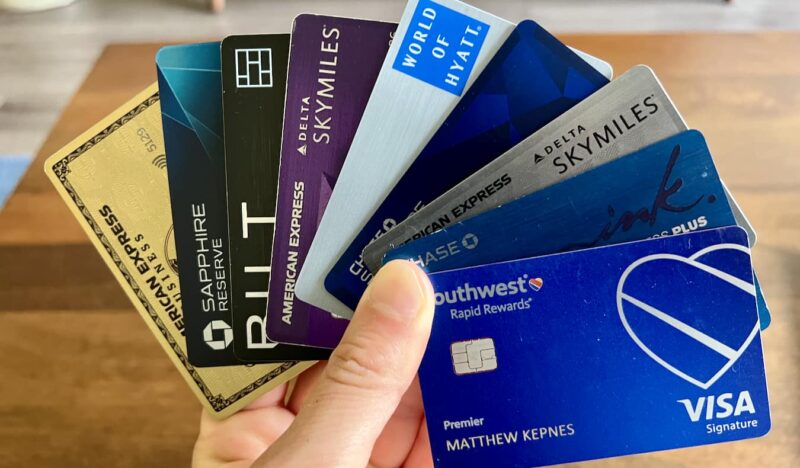
Examples of leading issuers include:
2. 0% APR Business Credit Cards
Ideal for:
- Startup expenses
- Equipment purchases
- Marketing campaigns
Many offer 12–18 months introductory APR.
3. Cashback Credit Cards for Freelancers
Best for:
- Consultants
- Graphic designers
- Online service providers
These cards typically offer:
- 1.5%–5% cashback
- Bonus categories on digital ads
- No annual fee options
4. Travel Rewards Credit Cards for Entrepreneurs
If you frequently travel for client meetings or conferences:
Look for:
- Airport lounge access
- Travel insurance
- Bonus airline miles
- No foreign transaction fees
Professional Comparison Table
| Card Type | Best For | Intro APR | Rewards Rate | Annual Fee | Credit Level Needed |
|---|---|---|---|---|---|
| High-Limit Business Card | Scaling Businesses | 0–12 months | 2%–5% | $0–$395 | Good–Excellent |
| 0% APR Business Card | Startups | 12–18 months | 1%–3% | $0 | Good |
| Cashback Freelancer Card | Service Professionals | 0–15 months | 1.5%–5% | $0 | Fair–Good |
| Travel Business Card | Frequent Travelers | 0–12 months | 2x–5x points | $95–$395 | Good–Excellent |
Step-by-Step Guide: How to Get Approved as a Self-Employed Applicant
Step 1: Prepare Income Documentation
Have:
- Tax returns (last 1–2 years)
- Bank statements
- Profit and loss reports
Step 2: Improve Personal Credit Score
Aim for:
- 680+ for standard cards
- 720+ for premium cards
Check your credit report at annualcreditreport.com.
Step 3: Apply as Sole Proprietor (If Needed)
If you don’t have an LLC:
- Use your legal name as business name
- Use SSN instead of EIN
Step 4: Lower Credit Utilization
Keep balances below 30%.
Step 5: Start with a Moderate Card
Build history before applying for premium high-limit cards.
Real Case Study: How a Freelance Web Developer Increased Cash Flow by 40%
James, a freelance web developer earning $85,000 annually, struggled during slow quarters. He applied for a 0% APR business card and:
- Financed $7,000 in new equipment
- Invested $3,000 in Google Ads
- Earned $2,500 cashback in 12 months
- Paid off the balance before interest started
Result:
Revenue increased by 40% in 18 months.
Key takeaway: The right card can function as a growth engine.
Expert Insight
According to financial advisors featured on platforms like nerdwallet.com, separating business and personal expenses simplifies tax filing and improves audit protection.
Tax professionals also recommend tracking expenses through business cards to maximize deductions.
Common Mistakes Self-Employed People Make
Mixing Personal and Business Expenses
Leads to accounting confusion.
Ignoring Intro APR Deadlines
Interest can spike dramatically after the intro period.
Applying for Too Many Cards
Multiple hard inquiries reduce your score.
Carrying High Balances
Interest rates often exceed 18–25%.
Advanced Strategy: Using Credit Cards to Build Business Credit
Self-employed individuals can establish business credit by:
- Registering a business name
- Getting an EIN
- Opening a business bank account
- Using business credit responsibly
- Paying early, not just on time
Over time, this increases approval odds for:
- Business loans
- Equipment financing
- Commercial lines of credit
Research Data (Updated Financial Trends 2026)
- 62% of small business owners use credit cards for cash flow management
- Entrepreneurs earn an average of $1,200–$4,000 annually in rewards
- Businesses using 0% APR offers grow 18% faster in early years
- Credit utilization below 30% improves approval rates significantly
Frequently Asked Questions
Can I get a credit card if I’m self-employed?
Yes. You can apply using personal income and your business income combined.
Do I need an LLC to apply?
No. Sole proprietors qualify.
What credit score do I need?
Most quality cards require 680+. Premium cards may require 720+.
Are business credit cards better?
If you want tax organization and higher limits — yes.
Can I build business credit as a freelancer?
Yes, by using a business card and paying on time.
- IRS guidelines
- Small Business Administration
- Consumer Financial Protection Bureau
- Major issuers like americanexpress.com
- Financial tools from experian.com
Personal Experience Insight
Many self-employed professionals hesitate to apply for business cards, assuming rejection due to irregular income. In reality, issuers evaluate total financial health, not just salary structure.
Strategic use of credit cards has helped thousands of entrepreneurs stabilize income fluctuations and unlock expansion opportunities.
Final Verdict: What Is the Best Credit Card for Self-Employed Individuals?
There is no single “best” card — only the best strategy.
If you’re:
- Starting out → Choose 0% APR business card
- Established and scaling → Choose high-limit rewards card
- Traveling often → Choose premium travel card
- Focused on cashback → Choose flat-rate 2%+ cashback card
The best credit card for self-employed individuals is one aligned with your cash flow cycle, growth goals, and spending pattern.
Conclusion
The right credit card is not just about rewards — it is about financial leverage.
Self-employed individuals face unique financial challenges. With the right card, you can:
- Smooth cash flow
- Increase purchasing power
- Build business credit
- Maximize rewards
- Reduce tax stress
- Accelerate growth
Choose strategically, use responsibly, and treat credit as a business asset — not debt.
TAGS
Best credit cards for self-employed individuals,Easy approval business credit cards for sole proprietors,High limit credit cards for entrepreneurs,0% APR business credit cards 2026,Credit cards for freelancers with bad credit,Small business credit cards with cashback,Fast approval business credit card online, business credit cards for freelancers, high limit credit cards for entrepreneurs, 0% APR business credit cards, easy approval credit cards self-employed, cashback credit cards for small business owners,Best credit cards for self-employed individuals,Credit Cards for Self-Employed, Business Credit Cards 2026, Freelancer Finance, High Limit Credit Cards, 0% APR Business Cards, Small Business Credit Strategy, Entrepreneur Credit Guide

Chipuko is a finance-focused digital platform that provides insightful, high-value content on money, investing, and wealth-building opportunities. It covers topics such as personal finance, banking, credit solutions, and global investment strategies, with a strong focus on helping readers make smarter financial decisions and maximize income potential.
SUPPORT CHIPUKO RESEACH
Paypal: [email protected]
M-Pesa Till: 8293548
CONTACT US
Email: [email protected]
Whatsapp: 254701169398
Telephone: 254701169398