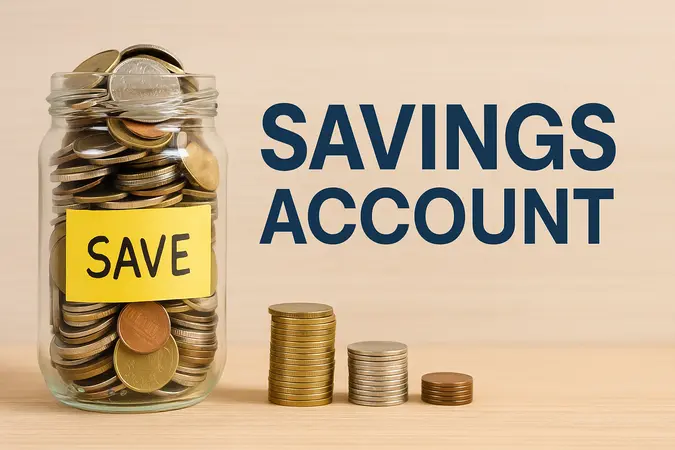
The United States remains the most competitive market for high-interest business savings accounts due to the rise of digital banking and fintech platforms.
Many online banks offer APY rates far higher than traditional institutions because they operate without expensive physical branches.
Below are some of the most competitive accounts for US businesses.
| Bank | Interest Rate (APY) | Minimum Balance | Monthly Fees | Ideal For |
|---|---|---|---|---|
| Live Oak Bank | Up to 4.50% | $0 | $0 | Small businesses |
| Bluevine | Up to 4.25% | $0 | $0 | Growing startups |
| Mercury Treasury | Up to 5.00% | $0 | $0 | Venture-backed startups |
| Axos Business Premium Savings | Up to 4.01% | $0 | $0 | Established SMEs |
| First Internet Bank | Up to 4.15% | $0 | $0 | Digital-first companies |
These banks are widely recognized across financial comparison platforms such as NerdWallet and Forbes Advisor
Best High-Interest Business Savings Accounts in the United Kingdom
UK businesses have also seen improved interest options as digital banks compete with traditional high street institutions.
| Bank | Interest Rate | Monthly Fee | Minimum Deposit | Best For |
|---|---|---|---|---|
| Starling Bank Business Saver | Up to 4.00% | £0 | £0 | Small businesses |
| Tide Instant Saver | Up to 4.07% | £0 | £0 | Freelancers |
| Allica Bank Business Savings | Up to 4.58% | £0 | £10,000 | Established SMEs |
| Wise Business Account | Variable | Low fees | £0 | International payments |
Many UK entrepreneurs prefer digital-first platforms because they integrate directly with accounting software like Xero
Best Business Savings Accounts in Canada
Canadian businesses benefit from promotional savings rates offered by digital banks.
| Bank | Interest Rate | Fees | Minimum Balance | Best For |
|---|---|---|---|---|
| Tangerine Business Savings | Up to 4.25% promo | $0 | $0 | Small businesses |
| EQ Bank Business Savings | Around 3.8% | $0 | $0 | Digital businesses |
| RBC High Interest eSavings | Around 3.0% | $0 | $0 | Traditional banking users |
Best Business Savings Accounts in Australia
Australian banks provide competitive rates for small and medium enterprises.
| Bank | Interest Rate | Fees | Minimum Deposit | Ideal For |
|---|---|---|---|---|
| NAB Business Saver | Up to 4.65% | $0 | $0 | SMEs |
| ANZ Business Online Saver | Up to 4.25% | $0 | $0 | Established businesses |
| Commonwealth Bank NetBank Saver | Up to 4.10% | $0 | $0 | Traditional banking clients |
Case Study: E-commerce Brand Growing Cash Reserves
An online retail company in California reported seasonal revenue spikes during holiday periods.
Instead of holding excess capital in their payment processor account, the company moved $300,000 into a high-yield savings account earning 4.6% APY.
Annual interest earned:
$13,800
This additional revenue helped fund:
- inventory restocking
- paid advertising
- warehouse improvements
The founder described the strategy as:
“The easiest revenue our business ever earned.”
Expert Advice from Financial Professionals
Financial advisor Laura Bennett, who consults with technology startups, highlights a common mistake among founders.
“Many startups focus on raising capital but ignore how their existing cash is managed. Parking funds in a high-yield savings account can extend a company’s runway without raising additional investment.”
Financial management tools recommended by advisors include:
- QuickBooks for accounting
- Stripe for payment processing
- Mercury for startup banking
How Businesses Use High-Interest Savings Accounts Strategically
Successful companies use savings accounts as part of a cash management strategy, not just as a place to store money.
Here are the most common approaches.
1. Emergency Business Reserve
Financial experts recommend keeping 3 to 6 months of operating expenses in easily accessible savings.
Example:
| Monthly Expenses | Recommended Reserve |
|---|---|
| $20,000 | $60,000–$120,000 |
| $50,000 | $150,000–$300,000 |
| $100,000 | $300,000–$600,000 |
A high-yield savings account allows these reserves to generate income instead of sitting idle.
2. Tax Savings Account
Many entrepreneurs maintain a separate account dedicated to tax obligations.
This prevents accidental spending of funds owed to tax authorities.
Businesses in the United States often track tax obligations through resources provided by the Internal Revenue Service
3. Capital Expansion Fund
Companies saving for:
- new office space
- equipment purchases
- marketing expansion
can grow funds faster through interest earnings.
Common Fees to Watch For
Even accounts marketed as “free” may include hidden costs.
Watch for:
- excessive withdrawal penalties
- wire transfer fees
- inactivity charges
Always read the account terms carefully.
Resources like Investopedia provide detailed financial explanations that help businesses compare banking products.
Security Features Businesses Should Prioritize
Cybersecurity is a major concern for companies managing large balances.
Look for banks that offer:
- two-factor authentication
- transaction alerts
- encrypted online banking
- fraud protection
Regulatory organizations such as the Bank for International Settlements highlight banking security standards globally.
Advanced Cash Optimization Strategies
High-performing businesses often combine savings accounts with other financial instruments.
Treasury Bill Integration
Companies sometimes allocate excess capital to short-term government bonds.
Benefits include:
- low risk
- predictable returns
- government backing
The U.S. Treasury provides detailed information about Treasury securities.
Multi-Account Interest Optimization
Large companies often distribute funds across multiple high-yield accounts to maximize returns.
Example:
| Account | Balance | APY | Annual Interest |
|---|---|---|---|
| Savings Account A | $200,000 | 4.5% | $9,000 |
| Savings Account B | $150,000 | 4.3% | $6,450 |
| Treasury Account | $100,000 | 5.0% | $5,000 |
Total annual interest:
$20,450
Mistakes Businesses Must Avoid
Many companies fail to maximize their savings potential.
Here are the most common mistakes.
Ignoring Interest Rate Changes
Savings rates change frequently.
Businesses should review their account annually to ensure they remain competitive.
Using Personal Accounts for Business Funds
Mixing personal and business finances creates:
- accounting complications
- tax risks
- legal exposure
Choosing Banks with Poor Digital Infrastructure
Businesses rely heavily on automation.
Banks without modern digital tools can slow operations.
Frequently Asked Questions
What is considered a good business savings interest rate in 2026?
A competitive rate is typically 4% APY or higher, depending on the bank and market conditions.
Can LLCs open high-yield savings accounts?
Yes. Most banks allow LLCs, corporations, and partnerships to open business savings accounts.
Are online banks safe for business savings?
Yes. Many online banks are regulated and insured by government financial authorities.
How often do business savings accounts pay interest?
Most accounts pay monthly interest, though some calculate it daily.
Is there a limit on how much a business can save?
While some banks impose limits for promotional rates, many accounts allow millions in deposits, particularly treasury-style accounts.
Key Takeaways
Businesses that strategically manage their cash reserves gain several advantages:
- passive income from interest
- improved financial stability
- stronger capital management
In competitive markets like the United States, United Kingdom, Canada, and Australia, high-yield savings accounts have become an essential tool for modern companies.
Frequent Asked Qestion and Answers
Which bank offers the highest business savings interest?
Some fintech platforms and digital banks offer APY rates approaching 5%, depending on market conditions.
Are business savings accounts better than checking accounts?
Savings accounts typically provide higher interest, while checking accounts offer more frequent transaction capabilities.
How much interest can a company earn on $500,000?
At 4.5% APY, a business could earn approximately $22,500 annually.
Final Thoughts
In 2026, businesses are increasingly treating cash reserves as strategic assets rather than idle capital.
By choosing the right high-yield savings accounts, companies can generate meaningful passive income while maintaining full liquidity and security.
Entrepreneurs who implement smart cash management strategies today position their businesses for long-term financial stability and growth.
Chipuko is a finance-focused digital platform that provides insightful, high-value content on money, investing, and wealth-building opportunities. It covers topics such as personal finance, banking, credit solutions, and global investment strategies, with a strong focus on helping readers make smarter financial decisions and maximize income potential.
SUPPORT CHIPUKO RESEACH
Paypal: [email protected]
M-Pesa Till: 8293548
CONTACT US
Email: [email protected]
Whatsapp: 254701169398
Telephone: 254701169398