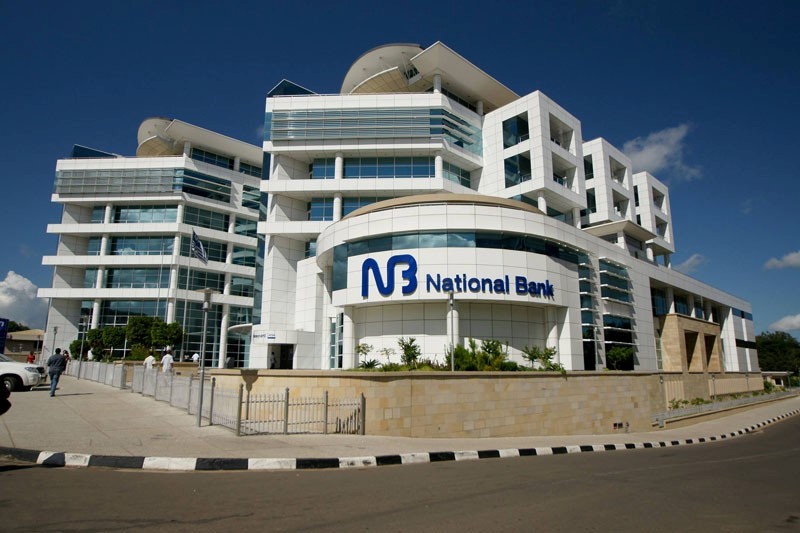
How to Invest in Malawi Banks as a Foreigner in 2026 – Profitable & Legal Guide
Discover how foreigners can invest in Malawi banks in 2026. Learn legal requirements, opportunities, risks, returns, and smart strategies for safe banking investments.
Why Malawi’s Banking Sector Is Attracting Foreign Investors in 2026
Africa’s financial landscape is changing—and Malawi is quietly emerging as a strategic banking investment destination. While it may not yet dominate headlines like South Africa or Kenya, Malawi offers something increasingly rare in global finance: undervalued banks, growing demand for financial services, and strong long-term fundamentals.
In 2026, foreign investors are looking beyond saturated markets. They are targeting frontier economies where banking penetration is still expanding, interest margins remain attractive, and competition is manageable. Malawi fits this profile perfectly.
This guide explains how to invest in Malawi banks as a foreigner, covering legal pathways, investment options, risks, returns, and smart strategies—clearly, practically, and honestly.
Understanding Malawi’s Banking Sector in 2026
Malawi’s banking system plays a central role in the country’s economy. Banks are the primary drivers of:
- Credit to businesses
- Agricultural financing
- Trade facilitation
- Household savings and lending
Key Characteristics of Malawi’s Banking Industry
- Moderately concentrated sector
- Growing demand for digital banking
- Strong reliance on interest income
- Increasing regulatory oversight
Despite economic challenges, banks remain among the most profitable and resilient institutions in Malawi.
Why Invest in Malawi Banks as a Foreigner?
Foreign investors are drawn to Malawi’s banking sector for several compelling reasons.
1. Undervalued Banking Assets
Compared to regional peers, Malawi banks often trade at lower valuations, creating opportunities for long-term capital appreciation.
2. Growing Financial Inclusion
Millions of Malawians remain underbanked. Expansion of mobile banking and agency banking is unlocking new revenue streams.
3. Attractive Interest Margins
High lending rates relative to deposit rates support strong net interest margins for banks.
4. Limited Foreign Competition
Unlike larger African markets, Malawi’s banking space is not overcrowded, allowing early investors to establish meaningful positions.
Can Foreigners Legally Invest in Malawi Banks?
Yes. Foreigners are legally allowed to invest in Malawi banks, provided they comply with existing financial, investment, and regulatory frameworks.
Foreign investment is protected under Malawi’s investment laws, which emphasize:
- Non-discrimination
- Capital repatriation
- Investment protection
However, the structure of investment matters.
Main Ways Foreigners Can Invest in Malawi Banks
1. Investing in Bank Shares (Equity Investment)
This is the most common and accessible route.
Foreign investors can purchase shares in Malawi banks through:
- The Malawi Stock Exchange (MSE)
- Private placements
- Strategic equity partnerships
Benefits
- Ownership stake
- Dividend income
- Capital growth
Considerations
- Share liquidity may be limited
- Long-term investment horizon recommended
2. Strategic or Institutional Investment
Large foreign investors may enter through:
- Minority strategic stakes
- Joint ventures
- Capital injections
This route is common for:
- Regional banks
- Development finance institutions
- Investment funds
3. Fixed-Income Exposure Through Bank Instruments
Foreign investors may also gain indirect exposure via:
- Bank-issued bonds
- Structured financial products
This approach suits risk-averse investors seeking predictable returns.
4. Establishing a Banking or Financial Subsidiary
This is a capital-intensive option requiring:
- Regulatory approval
- Minimum capital thresholds
- Local compliance structures
It is best suited for institutional investors with long-term regional strategies.
Legal and Regulatory Requirements for Foreign Investors
Investment Registration
Foreign investors must register their investment with relevant authorities to ensure:
- Legal recognition
- Capital repatriation rights
Know Your Customer (KYC) Compliance
Banks and brokers require:
- Proof of identity
- Source of funds documentation
- Anti-money laundering compliance
Foreign Exchange Regulations
Investments must comply with Malawi’s foreign exchange controls, particularly on:
- Capital inflows
- Dividend repatriation
How to Start Investing in Malawi Banks as a Foreigner
Step 1: Define Your Investment Objective
Are you seeking:
- Long-term growth?
- Dividend income?
- Strategic market entry?
Your goal determines your investment structure.
Step 2: Choose the Investment Route
Decide between:
- Public equity
- Private equity
- Fixed income
- Strategic investment
Step 3: Engage Licensed Financial Intermediaries
Work with:
- Licensed brokers
- Investment advisors
- Legal professionals
This ensures compliance and reduces risk.
Step 4: Conduct Due Diligence
Assess:
- Bank financial statements
- Loan quality
- Capital adequacy
- Governance structures
Never invest blindly.
Step 5: Execute the Investment
Complete transactions through approved channels and document everything carefully.
Returns: What Foreign Investors Can Expect
Capital Growth
As Malawi’s economy stabilizes and financial inclusion grows, bank valuations may rise steadily.
Dividend Income
Banks often distribute dividends due to consistent cash flow generation.
Currency Considerations
Returns may be affected by:
- Exchange rate movements
- Inflation dynamics
Smart investors factor currency risk into return expectations.
Risks of Investing in Malawi Banks
Every investment carries risk. Understanding them upfront protects your capital.
Economic Risk
Macroeconomic volatility can affect loan performance.
Currency Risk
Foreign investors face potential exchange losses.
Liquidity Risk
Selling large shareholdings quickly may be difficult.
Regulatory Risk
Policy changes can impact profitability.
Risk Mitigation Strategies
✔ Diversify investments
✔ Focus on well-capitalized banks
✔ Monitor regulatory developments
✔ Take a long-term perspective
Why 2026 Is a Strategic Year to Invest
Several factors make 2026 attractive:
- Increased digital banking adoption
- Regulatory strengthening
- Growing regional trade integration
- Renewed foreign investor interest in frontier markets
Early positioning matters.
Taxation Considerations for Foreign Investors
Foreign investors should understand:
- Dividend withholding taxes
- Capital gains implications
- Double taxation agreements (where applicable)
Professional tax advice is strongly recommended.
Ethical and Governance Considerations
Modern investors look beyond profits. Assess:
- Corporate governance
- Environmental responsibility
- Financial inclusion impact
Banks with strong governance tend to outperform long term.
Frequently Asked Questions (FAQ)
Can a foreigner own shares in Malawi banks?
Yes. Foreigners can legally own shares in Malawi banks through approved investment channels.
Is Malawi safe for foreign investment?
Malawi offers legal protections for investors, though economic risks must be considered.
What is the minimum investment required?
Minimums vary depending on investment type and institution.
Can profits be repatriated?
Yes, subject to foreign exchange regulations and proper registration.
Is investing in Malawi banks profitable?
Profitability depends on strategy, timing, and risk management, but long-term prospects are positive.
Future Outlook of Malawi’s Banking Sector
Looking ahead, Malawi’s banking sector is expected to benefit from:
- Digital transformation
- Expanding SME financing
- Regional financial integration
Foreign investors who enter early stand to gain the most.
Is Investing in Malawi Banks Worth It for Foreigners?
For foreigners seeking frontier market exposure, long-term growth, and diversification, Malawi’s banking sector offers a compelling opportunity in 2026.
Success depends on:
- Understanding the market
- Choosing the right investment structure
- Managing risk intelligently
This is not a market for speculation—it is a market for strategic, patient investors.

Chipuko is a finance-focused digital platform that provides insightful, high-value content on money, investing, and wealth-building opportunities. It covers topics such as personal finance, banking, credit solutions, and global investment strategies, with a strong focus on helping readers make smarter financial decisions and maximize income potential.
SUPPORT CHIPUKO RESEACH
Paypal: [email protected]
M-Pesa Till: 8293548
CONTACT US
Email: [email protected]
Whatsapp: 254701169398
Telephone: 254701169398