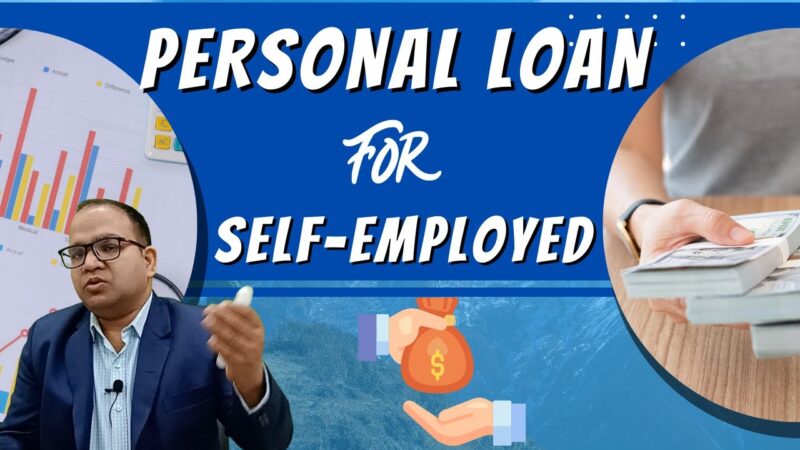
Looking for the best personal loans for self-employed professionals? Compare low-interest rates, fast approval lenders, no-collateral options, and smart approval strategies in 2026.
BEST PERSONAL LOANS FOR SELF-EMPLOYED IN 2026
Low Interest Rates, Fast Approval & Smart Borrowing Strategies
Being self-employed gives you freedom. But when it comes to borrowing money, that freedom can feel like a disadvantage.
Banks love predictable paychecks. If you’re a freelancer, consultant, digital entrepreneur, contractor, or small business owner, your income might fluctuate — and traditional lenders often hesitate.
The good news? The lending landscape has changed dramatically.
In 2026, there are more personal loan options for self-employed professionals than ever before — including unsecured loans, low-interest financing, and fast approval lenders that evaluate your real earning power instead of just your salary slips.
This guide will walk you through:
- The best loan options available
- How lenders evaluate self-employed applicants
- Smart approval strategies
- Interest rate comparison
- Common mistakes to avoid
- FAQ for higher Google ranking
Let’s dive in.
Why Is It Harder for the Self-Employed to Get a Personal Loan?
Lenders evaluate risk. Traditional employees show:
- Fixed monthly salary
- Employer verification
- Stable payslips
- Clear income history
Self-employed borrowers often show:
- Variable income
- Seasonal revenue
- Business expenses reducing taxable income
- Irregular cash flow
This doesn’t mean you’re high risk. It means you must present your income differently.
Smart lenders now evaluate:
- Bank statements (6–12 months)
- Tax returns
- Profit & loss statements
- Business turnover
- Credit score
- Debt-to-income ratio
If structured correctly, you can qualify for competitive rates.
Types of Personal Loans for Self-Employed
1️⃣ Unsecured Personal Loans
No collateral required. Approval based on:
- Credit score
- Income history
- Bank statement consistency
Best for:
- Emergency funding
- Medical bills
- Home improvement
- Debt consolidation
Interest rates range from competitive to moderate depending on credit profile.
2️⃣ Bank Statement Loans
Instead of tax returns, lenders use 6–12 months of bank statements.
Best for:
- Freelancers
- Gig workers
- Consultants
- Online entrepreneurs
Strong cash flow = strong approval chances.
3️⃣ Peer-to-Peer Lending Platforms
Alternative lenders connect borrowers with investors.
Advantages:
- Flexible criteria
- Faster approval
- Less rigid documentation
Often slightly higher interest than banks but easier qualification.
4️⃣ Credit Union Personal Loans
Credit unions tend to:
- Offer lower interest rates
- Consider relationship history
- Provide flexible underwriting
Great option if you’ve been a member for years.
5️⃣ Online Fintech Lenders
Digital lenders use AI-based underwriting models to analyze:
- Transaction history
- Spending patterns
- Cash flow trends
Approval is often faster — sometimes within 24 hours.
What Is the Minimum Credit Score Required?
Most lenders prefer:
- 720+ → Excellent rates
- 680–719 → Competitive rates
- 620–679 → Moderate rates
- Below 620 → Higher rates but possible
Improving your credit score before applying can reduce your interest rate significantly.
How to Increase Approval Chances as a Self-Employed Borrower
1. Separate Business and Personal Finances
Maintain a dedicated business account.
2. Show Consistent Deposits
Even variable income should show regular deposits.
3. Lower Existing Debt
High debt-to-income ratio reduces approval chances.
4. Prepare Documents in Advance
- Tax returns (2 years)
- Bank statements
- Business registration documents
- Profit & loss statements
5. Avoid Multiple Hard Inquiries
Too many applications hurt your credit score.
Best Personal Loan Features to Compare
When comparing lenders, evaluate:
- APR (Annual Percentage Rate)
- Origination fees
- Late payment penalties
- Prepayment penalties
- Loan term length
- Funding speed
- Customer support
The lowest interest rate is not always the best loan. Hidden fees matter.
Average Interest Rates for Self-Employed Borrowers (2026)
Interest rates depend on:
- Credit profile
- Income stability
- Loan amount
- Lender type
Strong applicants may qualify for competitive rates, while moderate profiles may see higher APRs.
Always compare total repayment cost — not just monthly installment.
How Much Can You Borrow?
Loan amounts typically range from:
- Small loans for emergencies
- Medium loans for renovations or debt consolidation
- Large personal loans for major expenses
Approval amount depends on:
- Monthly net income
- Debt-to-income ratio
- Creditworthiness
Common Reasons Self-Employed Loans Get Rejected
- Inconsistent bank deposits
- High existing debts
- Low credit score
- Recent defaults
- Incomplete documentation
Avoid applying until your profile is strong.
Personal Loan vs Business Loan: Which Is Better?
| Personal Loan | Business Loan |
|---|---|
| Easier approval | Requires more documentation |
| No collateral (sometimes) | May require collateral |
| Faster funding | Slower underwriting |
| Higher rates sometimes | Lower rates for strong businesses |
If funds are for personal use, a personal loan is usually better.
Smart Borrowing Strategy for Self-Employed Professionals
- Borrow only what you need
- Choose shortest affordable term
- Avoid payday loans
- Maintain emergency fund
- Refinance when credit improves
Frequently Asked Questions (FAQ)
Can I get a personal loan if I’m self-employed?
Yes. Many lenders now specialize in self-employed borrowers using bank statements and cash flow analysis.
What documents are required for self-employed personal loans?
Typically:
- Tax returns
- Bank statements
- Business registration
- ID verification
Can I get a loan without tax returns?
Some lenders accept bank statements instead.
How fast can I get approved?
Online lenders may fund within 24–72 hours after approval.
Do self-employed people pay higher interest?
Not necessarily. Strong credit and stable income secure competitive rates.
Final Thoughts
Being self-employed should not block your financial opportunities.
In 2026, lending has evolved. Lenders now look beyond traditional employment and focus on real financial behavior.
If you:
- Maintain strong credit
- Show consistent deposits
- Keep debt low
- Compare lenders carefully
You can secure a competitive personal loan — even without a traditional paycheck.
Financial freedom includes access to smart financing. Use it wisely.
TAGS
Best personal loans for self-employed,Self-employed loan options,Low interest personal loans for freelancers,Fast approval personal loans,No collateral loans for business owners,Personal loan without proof of income,High approval personal loan lenders,Loans for gig workers,Self-employed financing options,Unsecured personal loans 2026, personal loans, self-employed loans, freelancer financing, gig worker loans, unsecured loans, business owner loans, low interest loans, fast approval loans, loan comparison 2026, no collateral loans
Chipuko is a finance-focused digital platform that provides insightful, high-value content on money, investing, and wealth-building opportunities. It covers topics such as personal finance, banking, credit solutions, and global investment strategies, with a strong focus on helping readers make smarter financial decisions and maximize income potential.
SUPPORT CHIPUKO RESEACH
Paypal: [email protected]
M-Pesa Till: 8293548
CONTACT US
Email: [email protected]
Whatsapp: 254701169398
Telephone: 254701169398