How to Consolidate Debt Without Ruining Your Credit Score (2026 Guide)
Learn how to consolidate debt without hurting your credit score. Discover expert strategies, balance transfer secrets, personal loan tips, credit score protection methods, and smart repayment plans that actually work.
How to Consolidate Debt Without Ruining Your Credit Score
Debt consolidation can feel like stepping onto thin ice. You want relief from multiple payments, high interest rates, and financial stress — but you’re afraid one wrong move will damage your credit score.
The truth? Debt consolidation does not automatically ruin your credit. In fact, when done correctly, it can improve it.
This in-depth guide will show you exactly how to consolidate debt safely, strategically, and intelligently — without harming your credit profile.
What Is Debt Consolidation?
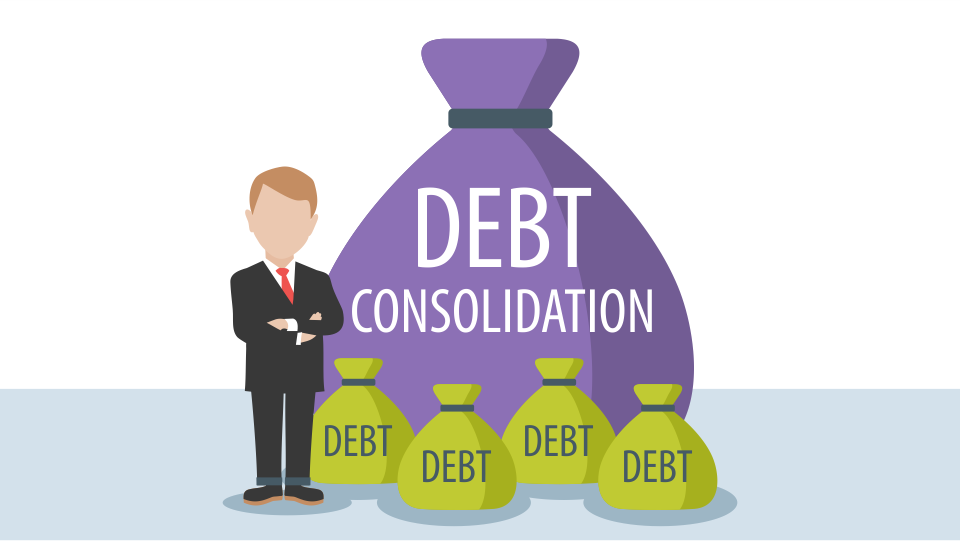
Debt consolidation is the process of combining multiple debts (credit cards, medical bills, personal loans, payday loans) into one single loan or payment — ideally with:
- Lower interest rate
- One fixed monthly payment
- Structured payoff timeline
- Improved cash flow
Common consolidation methods include:
- Personal consolidation loans
- Balance transfer credit cards
- Home equity loans (for homeowners)
- Debt management plans
- Refinancing
Each option affects your credit differently.
How Debt Consolidation Impacts Your Credit Score
Your credit score is influenced by five main factors:
- Payment history (35%)
- Credit utilization (30%)
- Length of credit history (15%)
- New credit inquiries (10%)
- Credit mix (10%)
Debt consolidation can affect:
1. Hard Inquiries
Applying for a loan creates a hard inquiry, which may temporarily drop your score by 5–10 points.
2. Credit Utilization
If you pay off credit cards, your utilization ratio drops — which can boost your score significantly.
3. Account Age
Closing old accounts can reduce your credit age and slightly lower your score.
The key is strategy — not just action.
Step-by-Step: How to Consolidate Debt Without Hurting Your Credit
Step 1: Check Your Credit Score First
Before applying for anything, review your credit score and full report. You need to know:
- Current score range
- Existing hard inquiries
- Total outstanding balances
- Any errors or inaccuracies
Dispute errors before consolidating.
Step 2: Choose the Right Consolidation Method
Your credit score determines your best option.
If Your Credit Score Is 700+
Best option: Low-interest personal loan or 0% balance transfer card
If Your Credit Score Is 620–699
Best option: Debt consolidation loan with moderate interest
If Your Credit Score Is Below 620
Best option: Debt management plan or secured loan
Avoid high-fee payday consolidation products — they often worsen your situation.
Step 3: Compare APR, Not Just Monthly Payments
Many borrowers make a costly mistake — they focus only on reducing monthly payments.
Instead, compare:
- Annual Percentage Rate (APR)
- Total repayment amount
- Loan term length
- Origination fees
- Prepayment penalties
Lower monthly payments with a longer term may mean higher total interest.
Step 4: Keep Old Credit Accounts Open
One of the biggest credit mistakes is closing old credit cards after consolidation.
Even if you stop using them:
- Keep accounts open
- Maintain zero balances
- Use occasionally for small purchases
This preserves:
- Credit history length
- Credit utilization ratio
Step 5: Avoid Multiple Applications
Submitting multiple loan applications within weeks can signal financial distress.
Instead:
- Use prequalification tools (soft inquiry only)
- Compare lenders before applying
- Apply within a 14–30 day rate shopping window
Step 6: Automate Payments Immediately
Missed payments damage credit more than consolidation helps it.
Set up:
- Automatic payments
- Payment reminders
- Direct debit
Consistency builds your score.
Best Debt Consolidation Options Explained
1. Personal Debt Consolidation Loan
A fixed-rate personal loan used to pay off all other debts.
Pros:
- Fixed interest rate
- Fixed repayment schedule
- Can lower interest
Cons:
- Hard inquiry
- Requires fair to good credit
Best for: Structured borrowers who want predictable payments.
2. Balance Transfer Credit Cards
Transfer high-interest credit card balances to a 0% APR card.
Pros:
- No interest for 12–21 months
- Fast payoff opportunity
Cons:
- Transfer fees (3–5%)
- High APR after promo ends
Best for: Those who can pay off debt within promo period.
3. Home Equity Loan
Use home equity as collateral.
Pros:
- Lower interest
- Large loan amounts
Cons:
- Risk of foreclosure
- Closing costs
Best for: Homeowners with significant equity.
4. Debt Management Plan (DMP)
Through a nonprofit credit counseling agency.
Pros:
- Negotiated lower rates
- Single payment
- No new loan
Cons:
- May close credit cards
- Requires strict discipline
Mistakes That Ruin Credit During Consolidation
Avoid these at all costs:
- Closing old credit cards
- Missing a payment during transition
- Taking on new debt immediately
- Ignoring hidden fees
- Choosing long repayment terms just for smaller payments
How Long Does Debt Consolidation Affect Your Credit?
Short term (0–3 months):
- Small dip from inquiry
Medium term (3–12 months):
- Improvement from lower utilization
Long term (1–3 years):
- Significant score increase if payments are on time
Debt consolidation hurts only temporarily — bad payment habits hurt permanently.
Advanced Credit Score Protection Strategies
To protect and improve your credit during consolidation:
✔ Keep credit utilization below 30%
✔ Maintain on-time payment streak
✔ Avoid new loans for 6 months
✔ Diversify credit mix responsibly
✔ Build emergency savings to avoid new debt
When You Should NOT Consolidate Debt
Debt consolidation is not ideal if:
- Your debt is small and manageable
- You qualify for hardship programs
- You are about to apply for a mortgage
- You lack spending discipline
In those cases, consider the debt snowball or avalanche method instead.
Debt Snowball vs Debt Consolidation
| Method | Best For | Credit Impact |
|---|---|---|
| Snowball | Motivation seekers | Neutral |
| Avalanche | Lowest interest payoff | Neutral |
| Consolidation | Simplification & lower APR | Positive if done correctly |
Real-World Scenario Example
Imagine this:
- 4 credit cards
- $18,000 total balance
- Average APR 24%
- Monthly payments: $780
Consolidated into:
- $18,000 personal loan
- 11% APR
- 3-year term
- Monthly payment: $590
Savings:
- $190 per month
- Thousands in interest
- Improved utilization
That’s smart consolidation.
Frequently Asked Questions (FAQ)
Does debt consolidation lower your credit score?
It may cause a small temporary dip due to a hard inquiry, but it often improves your score over time.
Is debt consolidation better than debt settlement?
Yes. Debt settlement damages credit significantly. Consolidation does not if payments are maintained.
Can I consolidate debt with bad credit?
Yes, but interest rates may be higher. A secured loan or DMP may be better options.
How fast can my credit score improve after consolidation?
Within 3–6 months if utilization drops and payments remain on time.
Should I close my credit cards after consolidation?
No. Keep them open with zero balance to maintain credit age and utilization ratio.
Final Thoughts
Debt consolidation is not about escaping debt — it’s about restructuring it intelligently.
When executed strategically:
- Your payments become manageable
- Your interest decreases
- Your credit score improves
- Your financial stress reduces
The real secret isn’t the loan.
It’s the discipline that follows it.
TAGS
Debt consolidation loan,best debt consolidation loans,consolidate credit card debt,low interest debt consolidation,personal loan for debt payoff,credit score improvement strategies,balance transfer 0% APR,bad credit debt consolidation,high interest debt relief,credit repair after consolidation, Debt Consolidation, Credit Score Protection, Personal Finance, Credit Card Debt, Financial Freedom, Loan Refinancing, Balance Transfer, Credit Repair, Low Interest Loans, Smart Borrowing
Chipuko is a finance-focused digital platform that provides insightful, high-value content on money, investing, and wealth-building opportunities. It covers topics such as personal finance, banking, credit solutions, and global investment strategies, with a strong focus on helping readers make smarter financial decisions and maximize income potential.
SUPPORT CHIPUKO RESEACH
Paypal: [email protected]
M-Pesa Till: 8293548
CONTACT US
Email: [email protected]
Whatsapp: 254701169398
Telephone: 254701169398